
Our Services
We deliver comprehensive engineering solutions with a focus on innovation, quality, and client success. Discover how we work and what makes us different.
Two ways to work with us
Projects
We deliver tailored engineering solutions that address challenges in mechanical engineering, structural dynamics, vibration analysis, and mechatronic systems. From improving machine performance to revealing deeper insights into system dynamics, our projects accelerate your development cycle, validate critical components and help you clearly understand real-world operational behaviour.
- •Model order reduction for large-scale FE models
- •Experimental modal analysis and system identification
- •Controller design and mechatronic optimization
- •Custom simulation tool development and automation
Courses
We offer practical engineering courses and workshops that provide a comprehensive overview of state-of-the-art methods and technologies. Each program focuses on explaining the principles, strengths, limitations and implementation approaches of modern techniques, giving participants the understanding and confidence to navigate complex engineering challenges and explore innovative approaches within their field.
- •Customized workshops for engineering teams
- •Hands-on courses in dynamics and control systems
- •Academic lectures on advanced modeling techniques
- •On-site and remote delivery options available
Our Core Engineering Expertise
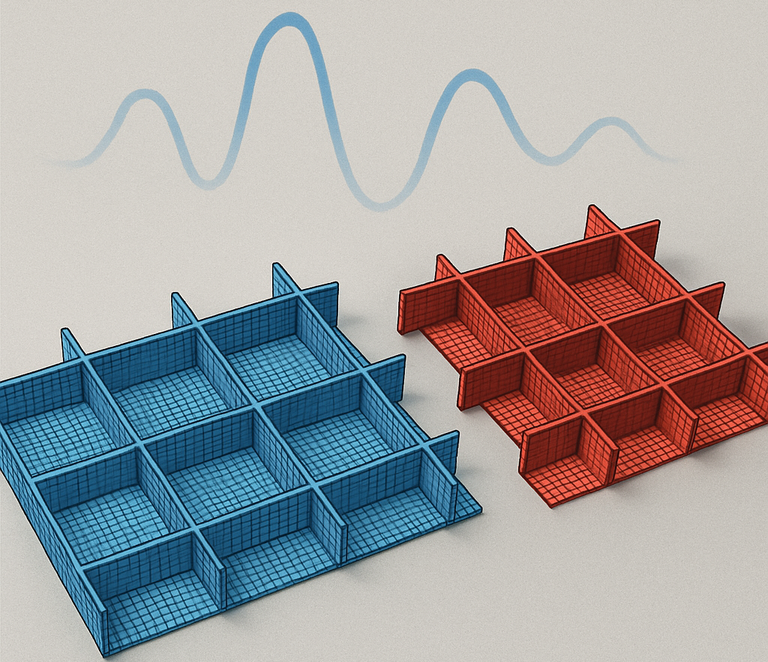
Numerical Methods
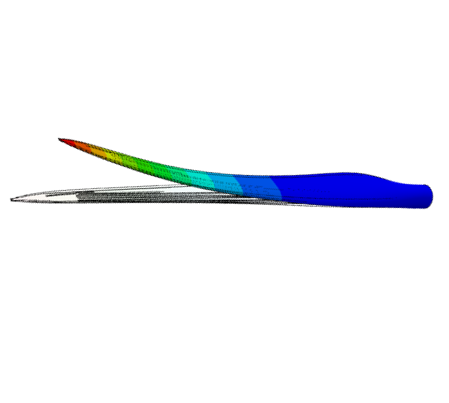
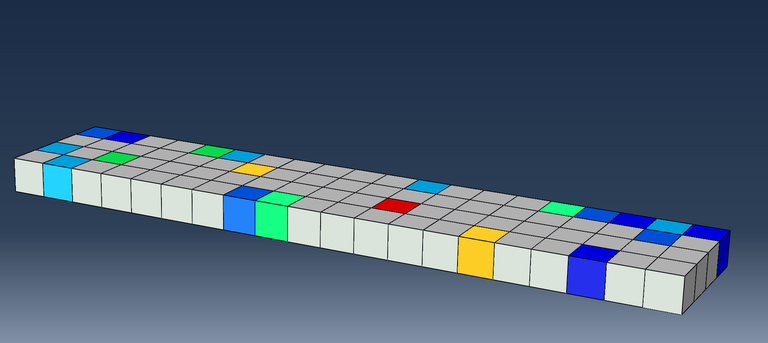
Our numerical workflows integrate advanced modeling and solving strategies, co-simulation approaches, and systematic validation procedures to capture complex physical interactions with high accuracy. This enables consistent performance assessment across operating conditions and supports informed decisions in design, optimization, and model selection.
Model Reduction Techniques
- •Model-, simulation-, and experiment-based reduction
- •Nonlinear, hyper-reduction, and parametric model reduction
Nonlinear & Contact Dynamics
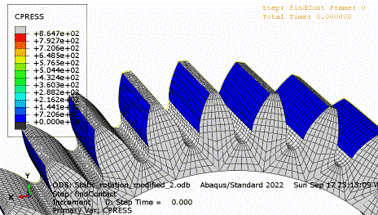
- •Joint and interface dynamics
- •Implicit & explicit simulations
- •Quasi-static strategies
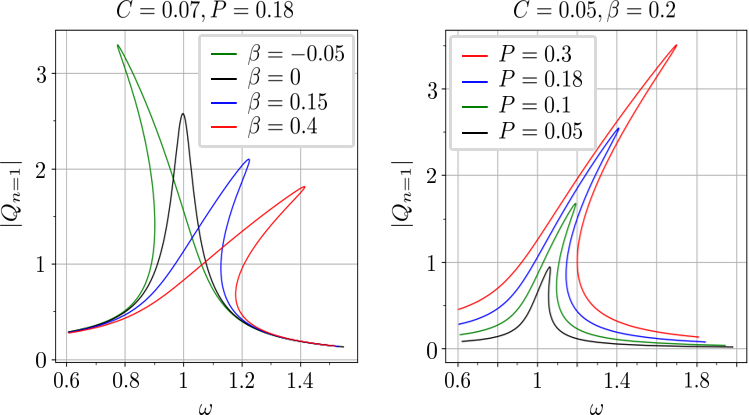
- •Steady-state solutions (Harmonic Balance & Shooting methods)
Finite Element & Multibody Dynamics
- •FEM for structural dynamics, rotordynamics, and multi-physics
- •Rigid and flexible multibody dynamics
- •Co-simulation with commercial tools
- •Parameter & structural optimization
Data-Driven Modeling
- •Identification of unknown nonlinear dynamics
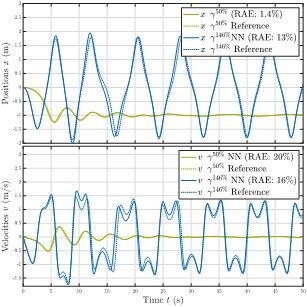
- •Neural-network-based reduction of high-fidelity simulations
- •Integration of measurement-based models with MBS/FEM simulations
Experimental Strategies
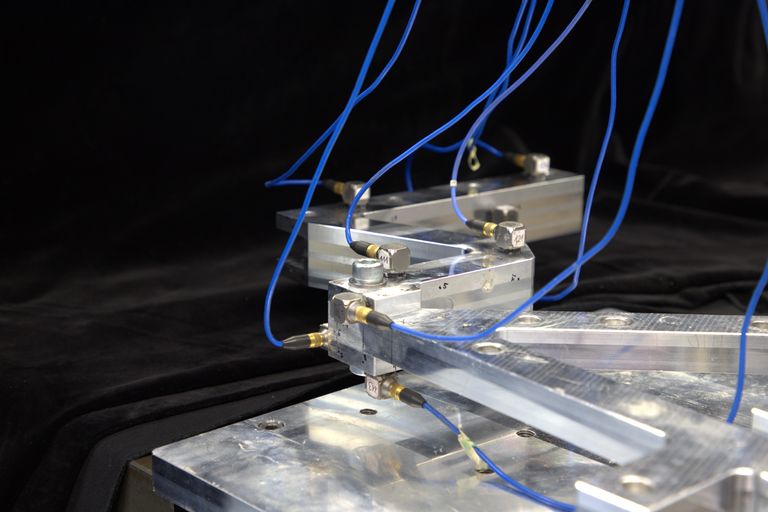
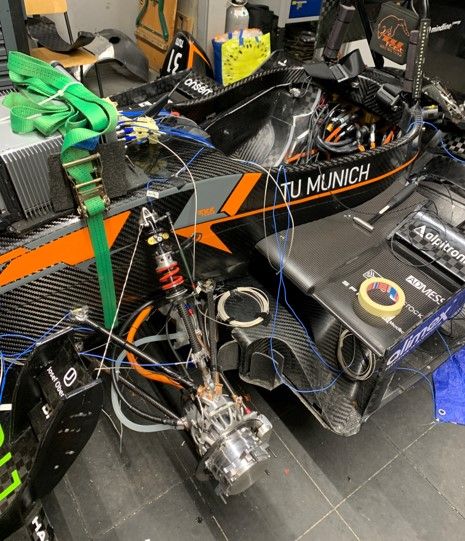
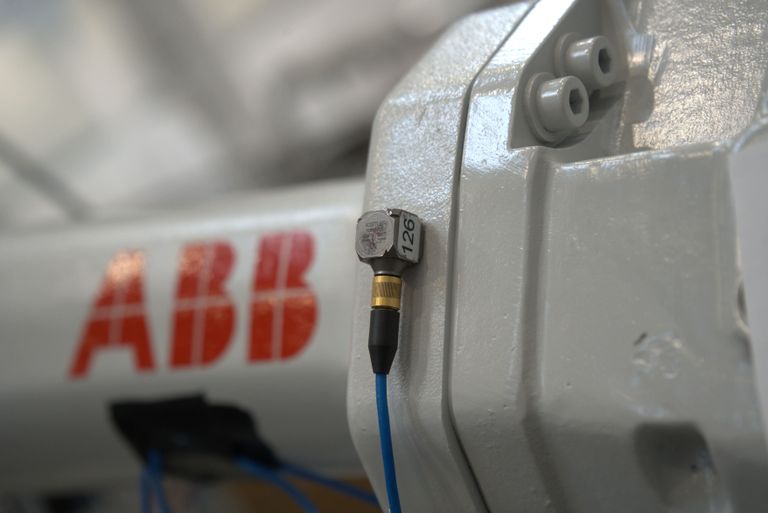
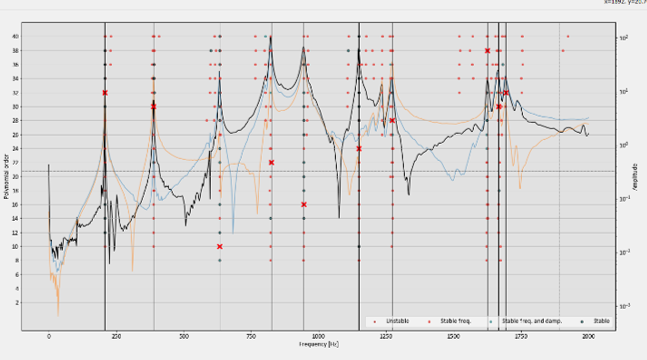
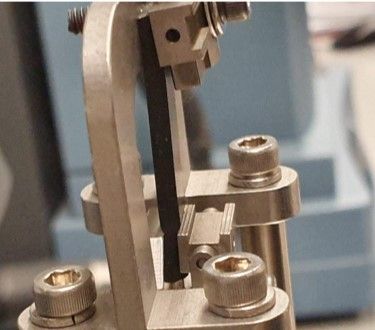
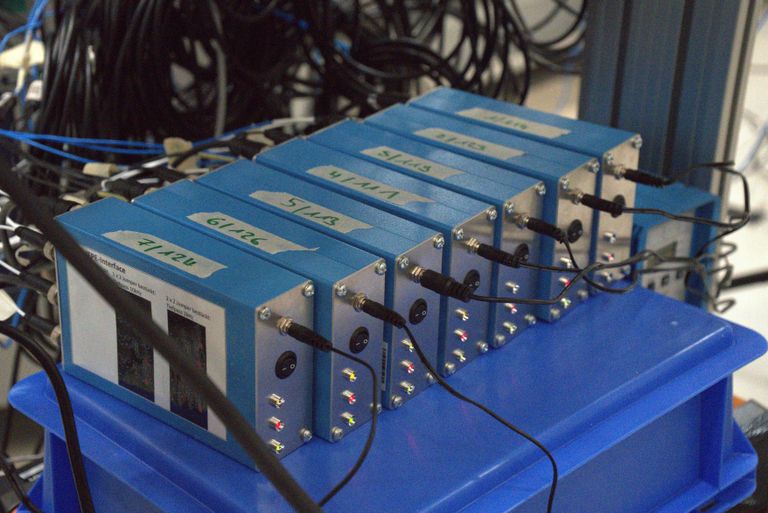
Our experimental work ranges from precise laboratory setups to full-scale industrial testing, using advanced sensor systems and data acquisition techniques to capture dynamic behavior, validate numerical models, and identify key parameters for performance optimization.
Experimental Identification Techniques
- •Joint identification
- •Nonlinearity detection and characterization
- •Material characterization
Substructuring & Transfer-Path Analysis
- •Experimental dynamic substructuring
- •Source characterization and transfer-path analysis
- •Hybrid modeling and model mixing/expansion
Vibration Measurements
- •Spectrum analysis
- •Modal and operational testing
- •Structural health monitoring
Advanced Measuring Techniques
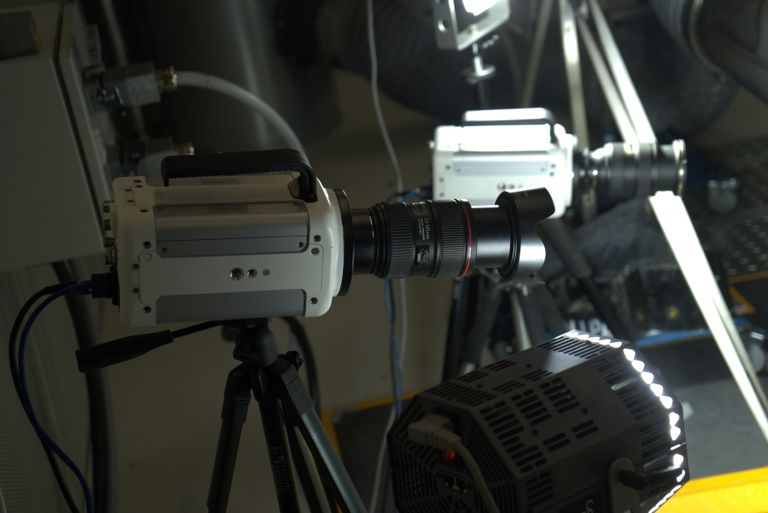
- •High-speed camera and laser vibrometry
- •Motion magnification
- •Automated impact testing
Mechatronics
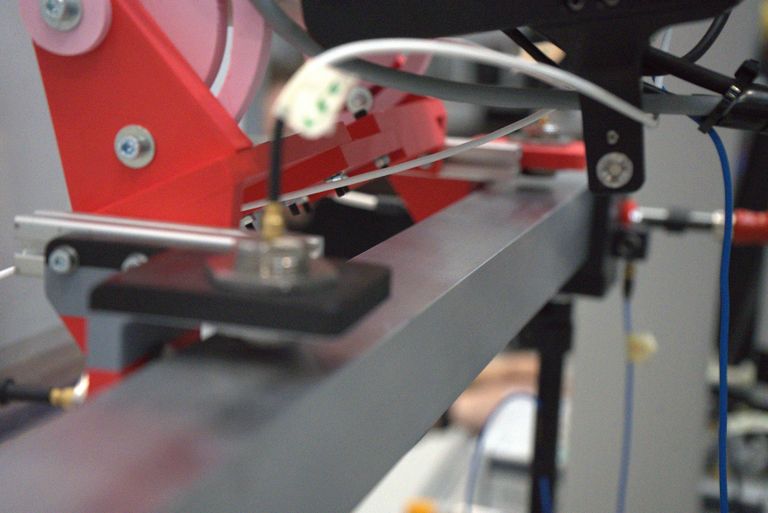
Our development process integrates algorithm design, system identification, hardware-in-the-loop validation, and controller tuning to ensure reliable operation across diverse operating conditions. This systematic approach allows us to refine dynamic performance early in the development cycle and deliver mechatronic solutions tailored to demanding applications.
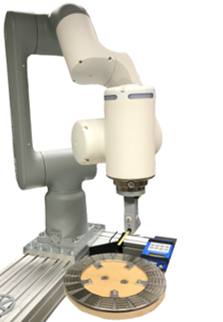
Applied Robotics
- •Tuning of assembly processes
- •Motion-planning for complex multi-objective manipulators
- •Safe collaborative robotics
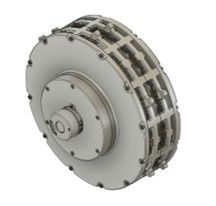
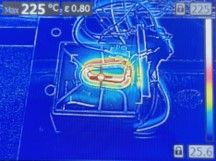
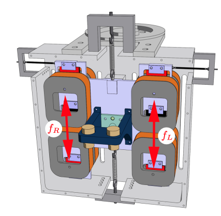
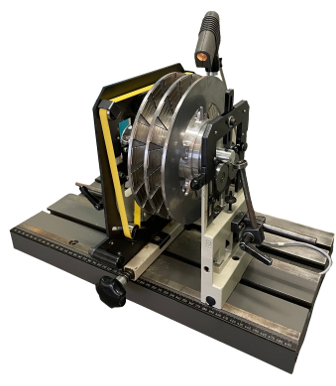
Custom Actuator Designing
- •Thermal-management solutions
- •High-precision and high-bandwidth motion solutions
Mechatronic Prototype Development
- •Manufacturing, assembly, and programming of prototypes
- •Hardware testing and design optimization
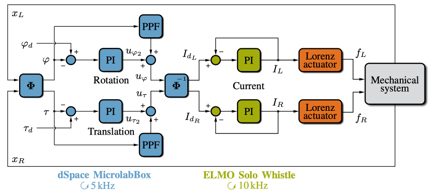
Control System Optimization
- •Model-based control strategies
- •Virtual testing of controllers
- •Sensor fusion and state-observation for controller performance
Project Collaboration
We develop, evaluate, and model advanced engineering and mechatronic systems using advanced simulations, experimental testing, and intelligent control strategies. Our work emphasizes robust, automated engineering procedures that go beyond standard commercial tools.
We partner with clients in automotive, robotics, aerospace, and other high-tech industries to solve complex challenges. From optimizing existing systems to creating new solutions, we focus on measurable performance gains and reliable real-world outcomes.
Exploration & Feasibility Assessment
We first assess your engineering needs and challenges, evaluating suitable modern methods and highlighting opportunities to improve system performance within your organization.
Pilot Implementation on Your Use Case
We select one of the identified methods and apply it to a concrete use case within your company. Through targeted simulations, experiments or control strategies, we demonstrate the effectiveness and practical value of the chosen approach.
Development of Complete Solutions and Custom Software
Based on the insights gained from the pilot phase, we design and deliver full-scale engineering solutions or bespoke software tools tailored to your processes, enabling long-term, efficient and scalable performance improvements.
Project Highlights
Contactless Motion Analysis
Challenge
Classical accelerometer-based structural-dynamics analysis has shown limitations for complex systems.
Solution
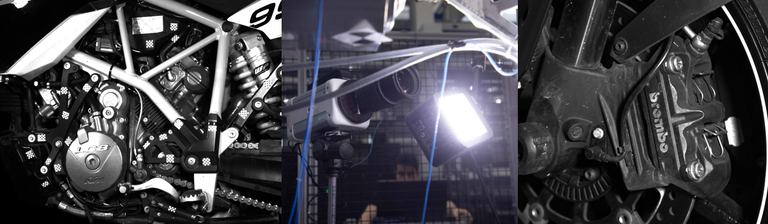
We developed a contactless, high-speed camera-based motion magnification strategy.
- Full-field sensing: we measured the whole system without knowing a priori which components dominate the dynamics.
- Contactless acquisition: we avoided influencing the system while accelerating measurement setup.
- Clear visualization: we enabled trustworthy interpretable qualitative analysis of motion and component interaction.
Outcome
Reduced-Order Simulation
Challenge
Large multi-physics FE models can be too computationally expensive for design optimization and fast parametric studies.
Solution
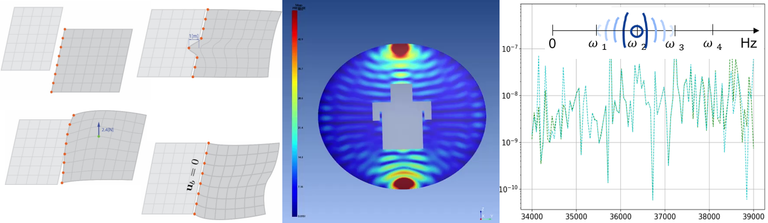
We developed a modular model order reduction and substructuring package.
- Modular reduction framework: component-based workflows enable fast updates by reducing and re-analyzing only the components that change.
- Industry-friendly workflow: a flexible Python toolchain integrates efficiently with existing simulation workflows.
Outcome
Nonlinear Component Testing
Challenge
Some components exhibit non-linear behavior under real loads, shifting resonance behavior and reducing predictability if treated as linear.
Solution
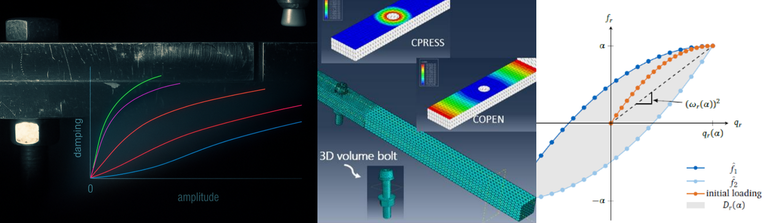
We performed dedicated non-linear tests.
- Non-linearity detection: we identified when the response departs from linear behavior and how stiffness and damping evolve.
- Model calibration: measured nonlinear signatures were used to calibrate parameters and validate numerical models.
Outcome
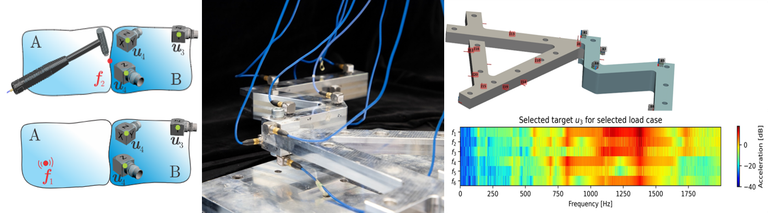
Transfer Path Analysis
Challenge
In complex machines, vibrations can travel through many connections, making it hard to identify which paths cause unwanted vibration.
Solution
We used a component-based Transfer Path Analysis approach.
- Estimate operational sources: we separated and characterized main vibration sources while the machine was running.
- Rank transfer paths: we identified which connections transmitted the most vibration across the relevant frequency range.
Outcome
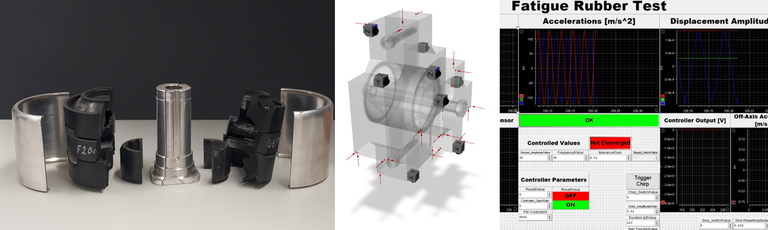
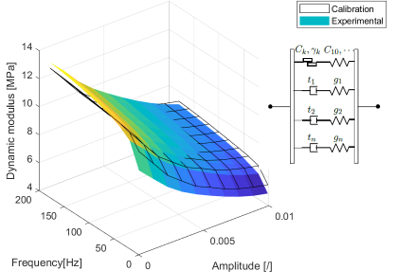
Isolation Mount Characterization
Challenge
Rubber mounts are flexible and effective for vibration isolation, but difficult to model due to complex construction and condition-dependent behavior.
Solution
We developed a combined mount- and material-level workflow.
- Component-level dynamics: impact testing with substructure decoupling captured realistic frequency response behavior.
- Material dependencies: amplitude, temperature and fatigue effects were tested to validate the mount model.
Outcome
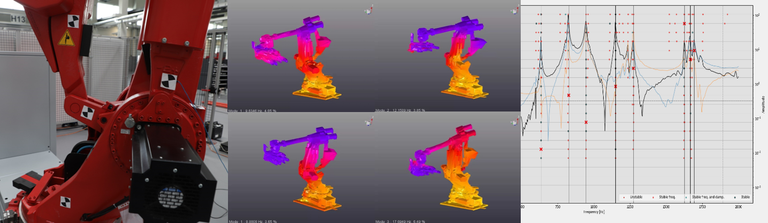
Spectrum Analysis
Challenge
Large mechatronic systems can exhibit configuration- and operating-condition-dependent vibrations that reduce accuracy and efficiency.
Solution
We performed comprehensive experimental characterization.
- Frequency-response measurements: resonances, damping and transfer behavior were mapped.
- Modal analysis: experimental and operational modal testing was carried out across different configurations.
- Nonlinear effects: possible nonlinear behavior was checked and visualized under realistic operating conditions.
Outcome
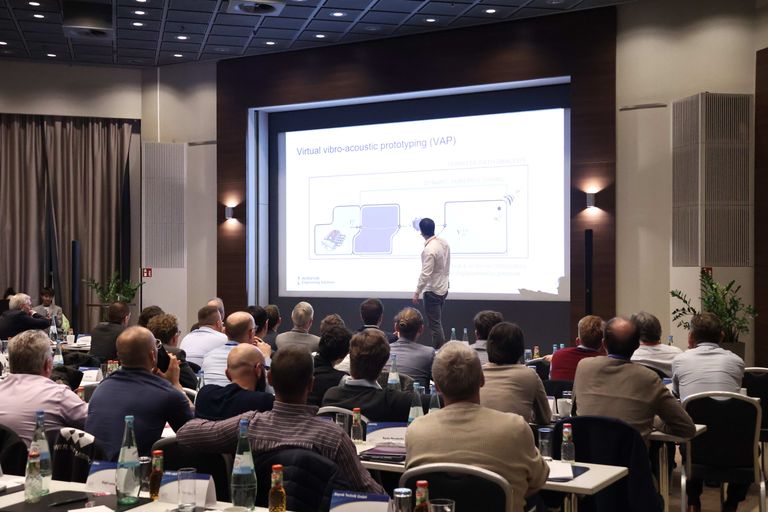
Workshops & Courses
We offer specialized engineering courses that combine essential theory, modern methods, and practical insight. Participants benefit from our research and industry experience, gaining clarity on current practices and emerging trends.
Our courses range from high-level conceptual overviews to application-oriented sessions, with options for demonstrations or theory-focused learning. We offer both open courses and customized training tailored to client needs.
Course Formats
What to Expect
- •Duration:3 days (or 12-16 hours)Depending on the contentIntensive sessions or spread throughout weeks (e.g. 2 hours appointments, one/twice per week)
- •Participants:Usually up to 10 participantsDepending on the agreed configuration of the workshop
Model Reduction Techniques
An all-encompassing overview from simple linear reduction to cutting-edge parametric and nonlinear techniques.
Uncovering the full spectrum of model reduction, from simple linear methods to advanced parametric and nonlinear approaches. The workshop covers the complete workflow, modeling through solving, and clarifies distinctions between testing and numerical methods, linear and nonlinear models, and data-driven strategies.
Download Syllabus (PDF)Experimental Identification / Vibration Analysis
A general perspective on using experimental testing to detect, identify, and model dynamical systems.
A general perspective on the use of experimental testing to detect, identify and model a dynamical system. From classical modal characterization to modern substructuring and transfer path analysis workflows for linear vibrating systems. Deep insights into testing strategies for nonlinear structural components and assemblies.
Download Syllabus (PDF)Custom Workshops
We create custom tailor-made courses or workshops for your specific needs across various engineering fields.
We have expertise in a broad range of fields with teaching experience in academic and industrial environments. We are therefore happy to create custom tailor-made courses or workshops for your specific needs.