Transfer Path Analysis with Hilti
Use Case
In complex machines, vibrations and structure-borne noise propagate through many connections and interfaces, making it challenging to understand which paths actually drive vibration at a specific component. This is especially true for compact yet highly integrated mechatronic devices, such as high-performance power tools.
Significant engineering value comes from understanding how vibration travels through the assembly, and which interfaces and joints contribute most, so design changes can be aimed at the right places.
Technological Solution
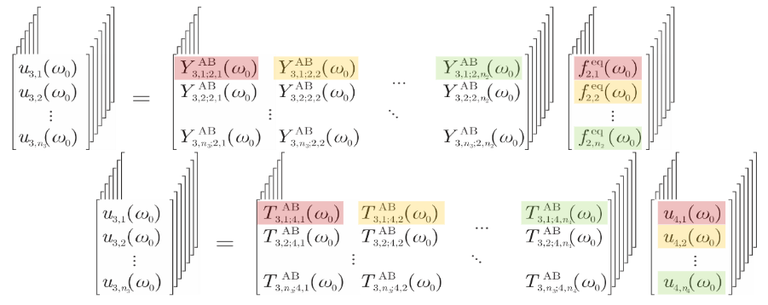
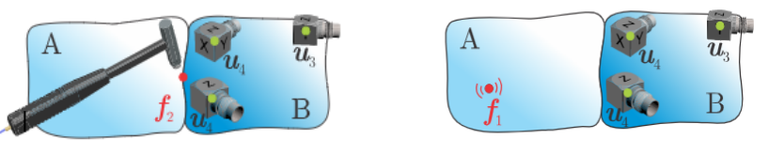
Inventum introduced and applied advanced Transfer Path Analysis strategies to experimentally characterize operational excitations and quantify how these excitations transmit through the system to a chosen receiver location.
- Estimate operational sources: separate and characterize the main excitation contributions while the system is running
- Rank transfer paths: identify which connections transmit the most vibration to the receiver across the relevant frequency range
The workshop format combined practical testing guidance with implementation in the open-source platform pyFBS, turning theory into repeatable industrial practice.
Outcome
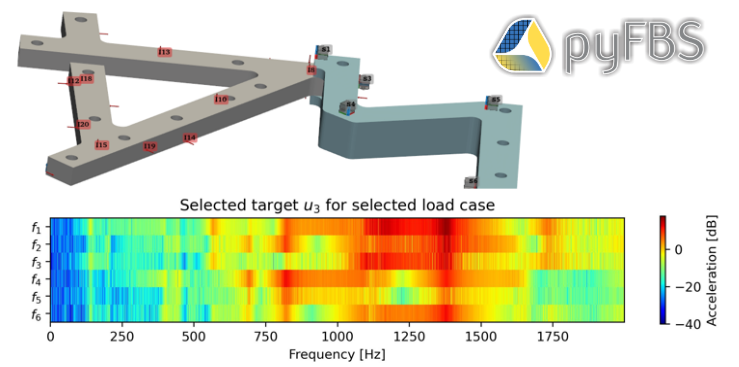
By applying a structured design-of-experiments workflow on a Hilti power tool, we identified which drive-unit interfaces and joints contributed most to vibration at the targeted receiver component.
Both component-based and operational TPA strategies were demonstrated, showing how dominant transfer paths can be determined with different approaches depending on available measurements and development goals.